How to Grow Luffa (Luffa cylindrica) in Cold Climate
How to Grow Luffa Step-by-Step
Luffa (Luffa cylindrica) is a fascinating climbing plant that produces natural sponges. Although it originates from tropical regions, it can also be successfully grown in colder climates with the right growing techniques.
Gardeners in regions similar to USDA climate zones 5–6 can grow luffa by starting seeds early and using a greenhouse during the growing season.
What is Luffa?
Luffa belongs to the cucumber family and grows as a long climbing vine. When harvested young it can be eaten as a vegetable, but when fully mature the inside fibers form a natural sponge that can be used for bathing, cleaning and eco-friendly household products.
Starting Luffa Seeds Indoors
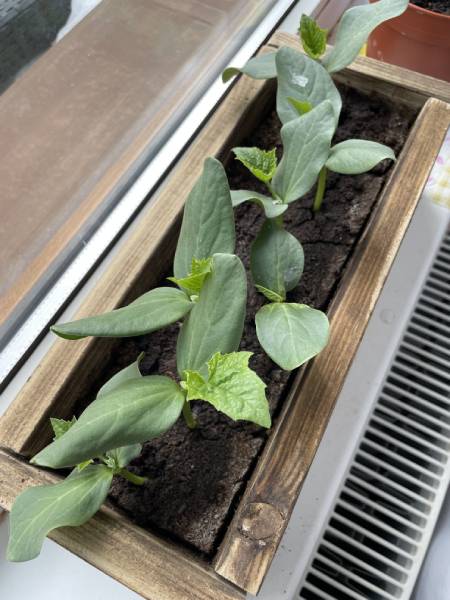
Because luffa needs a long growing season, it is important to start seeds indoors about 6–8 weeks before the last frost.
- Soak seeds in warm water for 24 hours
- Plant seeds in nutrient-rich soil
- Keep temperature around 22–25°C
- Provide strong light or sunny window
Seedlings usually appear within 7–14 days.
Growing Luffa in Greenhouse
In colder climates the best option is growing luffa inside a greenhouse. This protects the plant from cold nights and extends the growing season significantly.
Luffa vines grow very long — often 3 to 5 meters — so they require strong vertical support like trellises or strings.
- Plant seedlings after frost danger has passed
- Use compost-rich soil
- Water regularly but avoid waterlogging
- Provide climbing support
Pollination
Luffa plants produce both male and female flowers. Outdoors insects normally pollinate them naturally. In greenhouses you may need to hand-pollinate flowers using a small brush.
When to Harvest Luffa
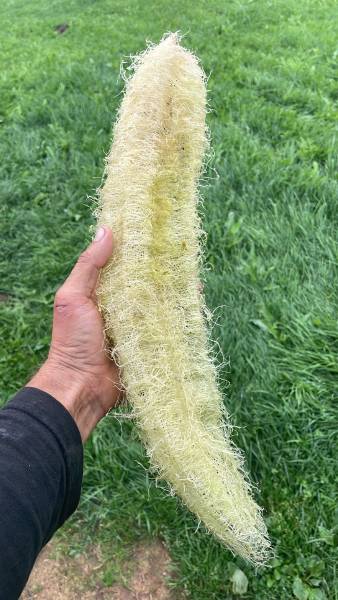
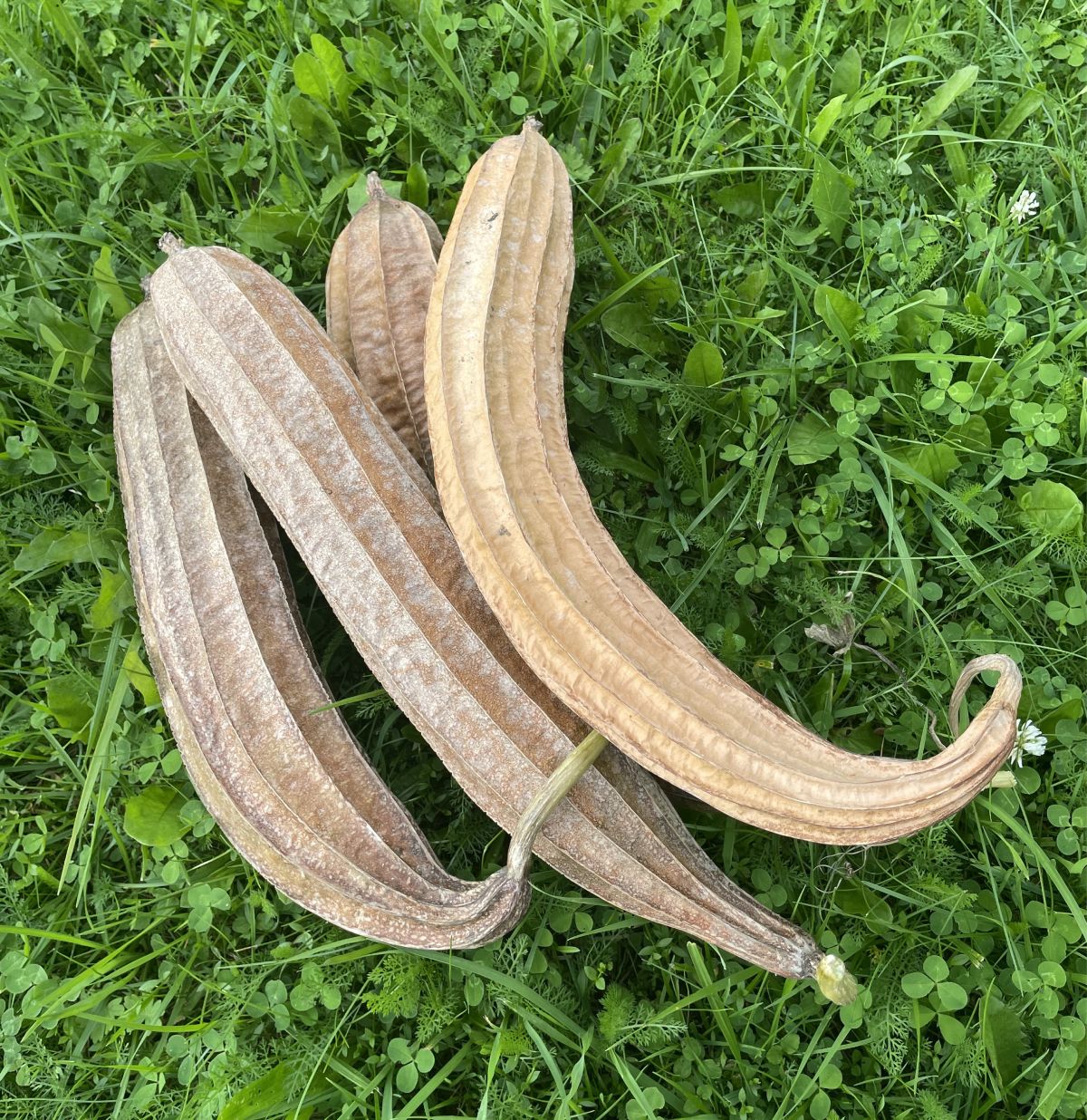
For natural sponges, luffa fruits must remain on the vine until they start turning yellow or brown and become lightweight. At this stage the internal fibers are fully developed.
- Soak in warm water for 24-48 hours
- Peel the outer skin
- Remove seeds
- Wash the sponge
- Let it dry completely
Why Grow Your Own Luffa?
Growing your own luffa is sustainable and environmentally friendly. Instead of synthetic plastic sponges you can use a completely natural and biodegradable alternative.
Final Tips
Even gardeners in colder climates can successfully grow luffa. Starting seeds early, providing warmth and using a greenhouse makes it possible to harvest natural luffa sponges at the end of the season.
FAQ
How long does luffa take to grow?
Luffa plants usually need about 150 to 200 days to fully mature from seed to sponge.
Can you grow luffa in cold climates?
Yes, if seeds are started indoors and plants are grown in greenhouse.
What climate zones are suitable for luffa?
Luffa grows best in warm climates, but it can also grow in USDA zones 5 and 6 with greenhouse protection and an early start indoors.
More Growing Guides
Interested in growing spicy peppers as well? Read our guide on How to grow habanero peppers.

